

Water heaters work hard every day, especially in Central Valley homes where high mineral content, temperature changes, and modern plumbing systems create extra pressure on equipment. One often-overlooked component plays a major role in protecting water heaters: the expansion tank.
Many homeowners don’t realize that without a properly installed expansion tank, their water heater may wear out faster, leak, or even fail prematurely. In this blog, we explain what expansion tanks do, why they matter in Central Valley properties, and how professional plumbing services help extend water heater lifespan.
What Is an Expansion Tank?
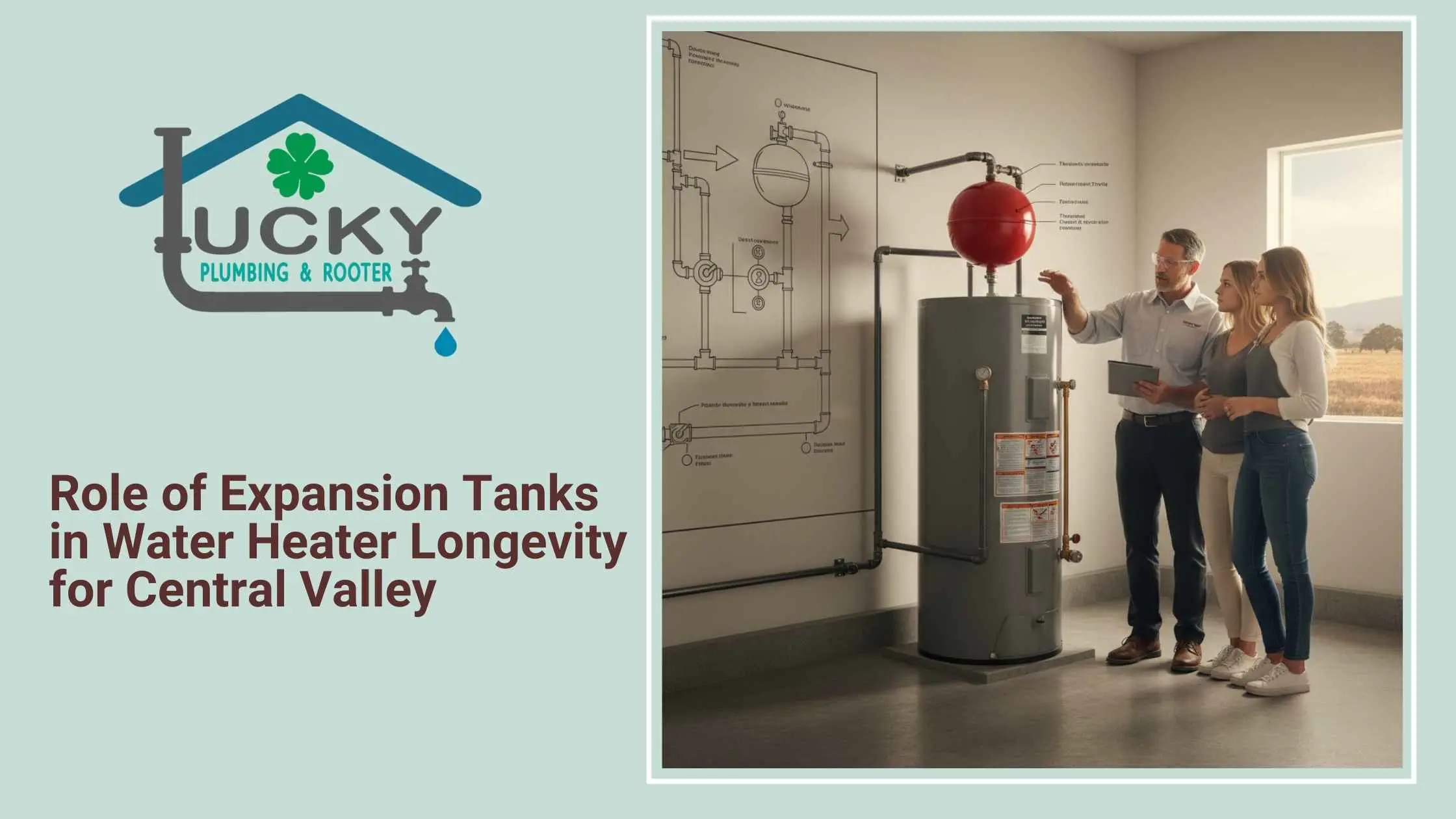
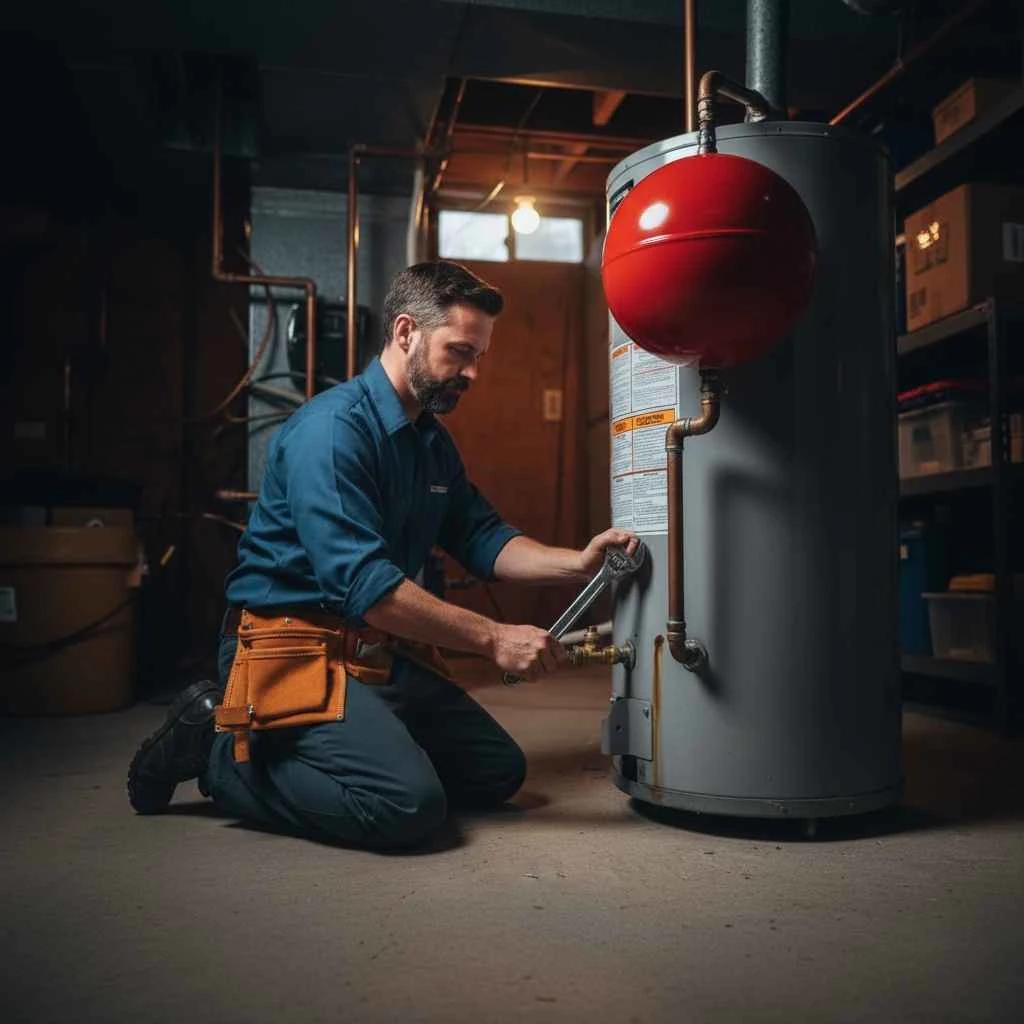
An expansion tank is a small tank installed on a home’s plumbing system near the water heater. Its job is to absorb excess pressure caused by thermal expansion.
When water heats up, it expands. Without a place for that expanded water to go, pressure builds inside the plumbing system.
Why Expansion Tanks Matter More in Central Valley Homes
Central Valley plumbing systems face unique conditions.
High Water Pressure
Many areas experience naturally high municipal water pressure.
Hard Water Conditions
Mineral-heavy water increases stress on plumbing components.
Closed Plumbing Systems
Modern homes often have backflow prevention devices that trap expanding water.
These factors make expansion tanks especially important.
How Thermal Expansion Damages Water Heaters
When water heats inside a tank:
- Pressure increases
- Internal components strain
- Tank walls flex repeatedly
Over time, this leads to:
- Cracked tanks
- Failed valves
- Shortened water heater lifespan
An expansion tank prevents this damage by balancing pressure.
Signs Your Water Heater May Need an Expansion Tank
Many homes either lack an expansion tank or have one that’s failing.
Common warning signs include:
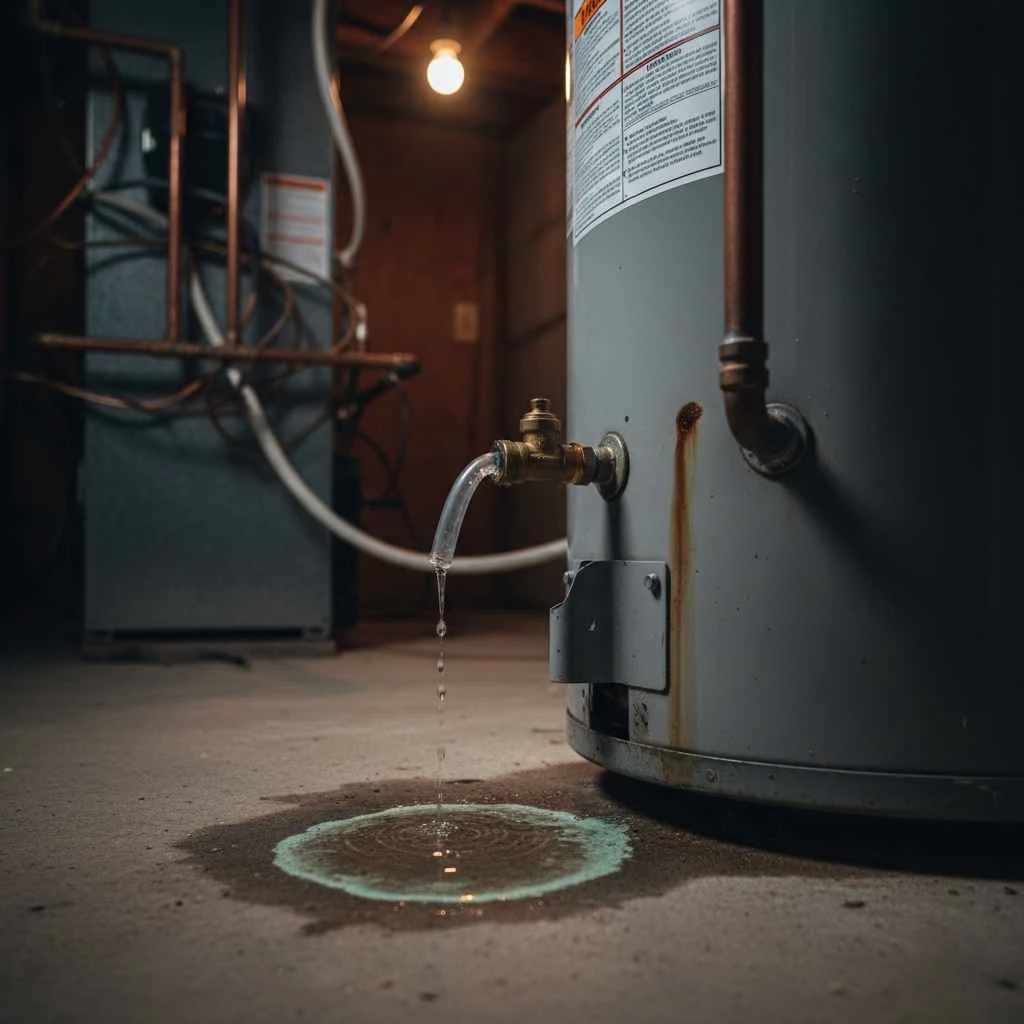
- Dripping temperature and pressure (T&P) valve
- Banging or knocking noises
- Leaking fittings
- Fluctuating water pressure
- Premature water heater failure
How Expansion Tanks Extend Water Heater Lifespan
Pressure Regulation
Expansion tanks absorb pressure spikes, reducing strain.
Protection of Internal Components
Valves, seals, and tanks last longer under stable pressure.
Reduced Leak Risk
Lower pressure means fewer weak points develop.
Improved System Efficiency
Balanced pressure helps water heaters operate smoothly.
Why DIY Expansion Tank Installation Is Risky
Installing or replacing an expansion tank is not a simple DIY task.
DIY risks include:
- Incorrect sizing
- Improper pressure settings
- Code violations
- Voided warranties
Professional plumbers ensure proper sizing, placement, and pressure calibration.
How Professionals Size Expansion Tanks Correctly
Correct sizing depends on:
- Water heater capacity
- Household water pressure
- Plumbing layout
- Local code requirements
A mismatched tank offers little protection and may fail early.
Professional Expansion Tank Installation Process
System Evaluation
Plumbers assess water pressure, heater size, and system design.
Correct Tank Selection
Professionals choose tanks that match system requirements.
Secure Installation
Tanks are properly mounted to prevent stress on pipes.
Pressure Calibration
Air charge is adjusted for optimal performance.
Expansion Tanks and Plumbing Code Compliance
In many Central Valley jurisdictions, expansion tanks are required by code for closed systems.
Professional installation ensures:
- Inspection approval
- Code compliance
- Long-term safety
Skipping this step can cause inspection failures or insurance issues.
Impact on Other Plumbing Components
Expansion tanks protect more than just the water heater.
They also help preserve:
- Pipes and joints
- Faucets and valves
- Appliances like dishwashers and washing machines
Lower pressure means less wear system-wide.
How Often Expansion Tanks Should Be Checked
Expansion tanks require periodic inspection.
Professional plumbers recommend:
- Annual inspections
- Replacement every 5–10 years
- Pressure testing during water heater service
Routine checks prevent sudden failures.
Why Central Valley Homeowners Choose Professional Plumbing Services
Local professionals understand:
- Regional water quality issues
- Pressure fluctuations
- Code requirements
- Water heater models are common in the area
Expert service ensures long-term reliability.
Long-Term Cost Savings of Expansion Tanks
Fewer Repairs
Reduced stress prevents frequent service calls.
Extended Water Heater Life
Delays costly replacements.
Lower Emergency Costs
Prevents sudden leaks or tank ruptures.
Better Energy Efficiency
Stable operation reduces strain.
When to Add or Replace an Expansion Tank
Consider professional service if:
- Installing a new water heater
- Upgrading plumbing
- Experiencing pressure issues
- Living in a closed plumbing system
Early installation prevents future damage.
Call to Action: Protect Your Water Heater Investment
Your water heater is a major investment, and pressure damage can shorten its life significantly. A professionally installed expansion tank protects your system, improves performance, and helps avoid costly repairs.
Contact us today for professional expansion tank installation and water heater service in the Central Valley. Our plumbing experts will ensure your system is protected, code-compliant, and built to last.

