

Introduction: Battling Hard Water at Home
If your home is in a hard water region, you’re likely familiar with limescale buildup, stubborn soap scum, and dry skin. These annoyances are more than just cosmetic; they can wreak havoc on your plumbing, appliances, and personal comfort. A whole-home water softener system can resolve these issues and bring noticeable improvements to your daily life.
In this blog, we’ll break down what hard water is, the top benefits of installing a water softener system, and why it’s a smart long-term investment.
What Is Hard Water?
Hard water contains high concentrations of minerals, primarily calcium and magnesium. While not hazardous to your health, these minerals can damage plumbing and reduce the effectiveness of cleaning products.
Signs your home has hard water:
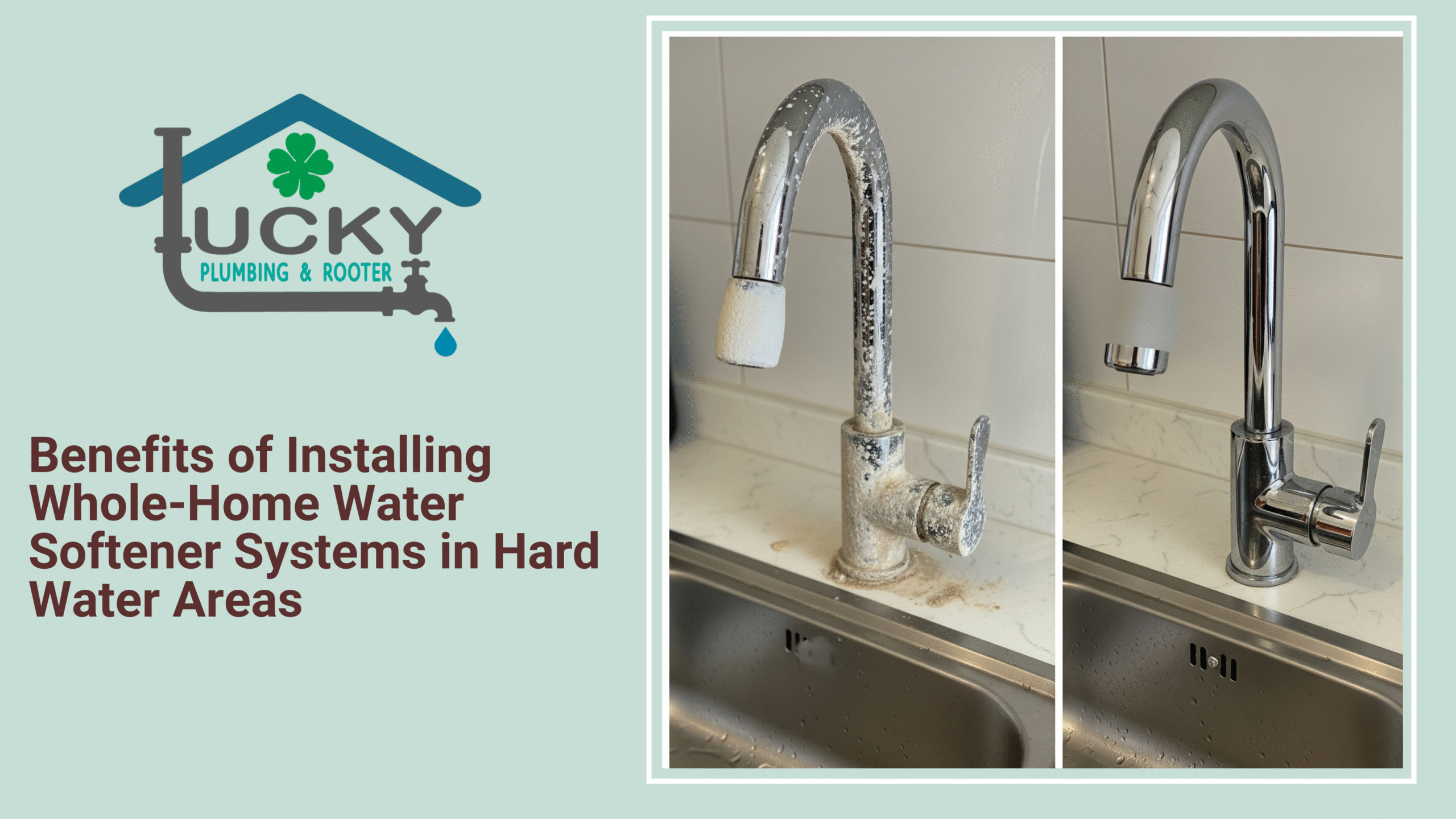
- White, chalky deposits on faucets
- Soap that doesn’t lather easily
- Spots on dishes and glassware
- Itchy, dry skin and dull hair
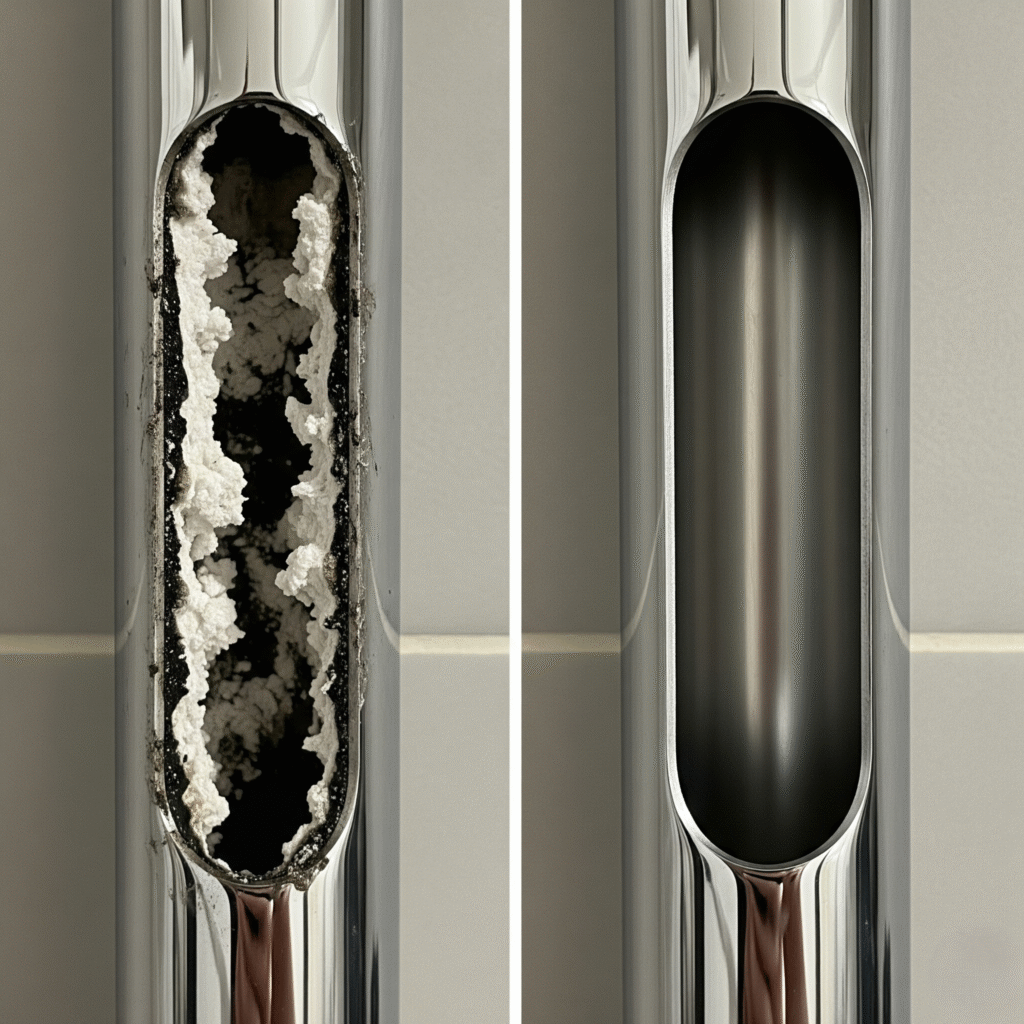
- Reduced water pressure due to pipe buildup
If these symptoms sound familiar, you’re likely dealing with hard water, and a softener system could be your solution.
How Does a Water Softener Work?
Water softeners use ion exchange technology to remove calcium and magnesium from your water. These minerals are replaced with sodium or potassium ions, resulting in “soft water.”
A whole-home water softener is installed at your main water supply line, ensuring every faucet, shower, and appliance receives treated water.
Top Benefits of Installing a Whole-Home Water Softener System
1. Prevent Limescale Buildup
Hard water minerals cause limescale that clogs pipes and damages fixtures. A softener eliminates this, keeping your plumbing system healthy and efficient.
2. Extend Appliance Lifespan
Water heaters, washing machines, dishwashers, and coffee makers are all vulnerable to hard water damage. By reducing mineral deposits, a softener helps these appliances last longer and run more efficiently.
- Up to 30% longer lifespan for water heaters
- Lower risk of dishwasher clogging or breakdown
- Improved energy efficiency from descaled heating elements
3. Softer Skin and Shinier Hair
Hard water strips natural oils from your skin and hair, leading to dryness, irritation, and dullness. Soft water is gentler on the skin and improves lathering, leaving you feeling cleaner and refreshed after every shower.
4. Cleaner Dishes and Laundry
Tired of cloudy glasses and stiff laundry? Soft water:
- Prevents soap scum on dishes
- Enhances detergent effectiveness
- Makes clothes softer and colors last longer
This not only improves cleanliness but also reduces your soap and detergent usage by up to 50%.
5. Lower Utility Bills
Hard water can reduce water flow due to internal pipe scaling and cause water heaters to work harder, using more energy. A water softener system improves water flow and reduces energy costs by optimizing appliance performance.
6. Reduced Maintenance and Repairs
Over time, hard water increases your home maintenance needs. From clogged pipes to frequently replacing showerheads or appliances, the costs add up.
With a water softener:
- Fewer plumbing repairs
- Less frequent appliance replacement
- Reduced scale-related issues on fixtures
7. Eco-Friendly Living
Since soft water improves soap efficiency and reduces energy usage, you contribute to:
- Lower detergent waste
- Reduced water heater energy consumption
- Fewer appliance disposals in landfills
It’s a win-win for your home and the environment.
Is a Whole-Home System Right for You?
A whole-home system is especially beneficial if:
- You live in a region known for hard water (e.g., the Midwest, the Southwest USA)
- Your water test shows high calcium/magnesium levels
- You’re constantly dealing with buildup on fixtures or dishes
- You want to protect your home’s plumbing and appliances long-term
If you only experience minor issues or rent your home, a smaller point-of-use system might suffice. But for homeowners with persistent hard water issues, the whole-home investment pays off.
How Much Does a Water Softener Cost?
The average cost for a whole-home water softener system is between $1,500 -$3,500, including installation. Prices vary depending on:
- Size of your household
- Type of softener (salt-based, salt-free, dual tank)
- Local plumber rates
Keep in mind, the savings in repairs, energy efficiency, and longer appliance lifespan will offset the initial investment over time.
Salt-Based vs. Salt-Free Systems: What’s the Difference?
| Feature | Salt-Based System | Salt-Free System |
|---|---|---|
| Method | Ion exchange with sodium or potassium | Uses template-assisted crystallization |
| Softens Water? | Yes | Technically, conditions don’t soften |
| Removes Minerals | Yes | No, only prevents scaling |
| Maintenance | Requires salt refills | Low maintenance |
| Best For | Heavy hard water regions | Mild hard water or salt-restricted areas |
Choose based on your water condition and household preferences.
Final Thoughts: Make the Switch to Soft Water
Hard water may be invisible, but its effects are certainly not. From stained sinks to sluggish appliances, it’s a quiet culprit behind many household issues. Installing a whole-home water softener system offers not just cleaner water but a cleaner lifestyle.
It’s a smart investment for comfort, efficiency, and the long-term health of your plumbing and appliances. Contact us today!

